

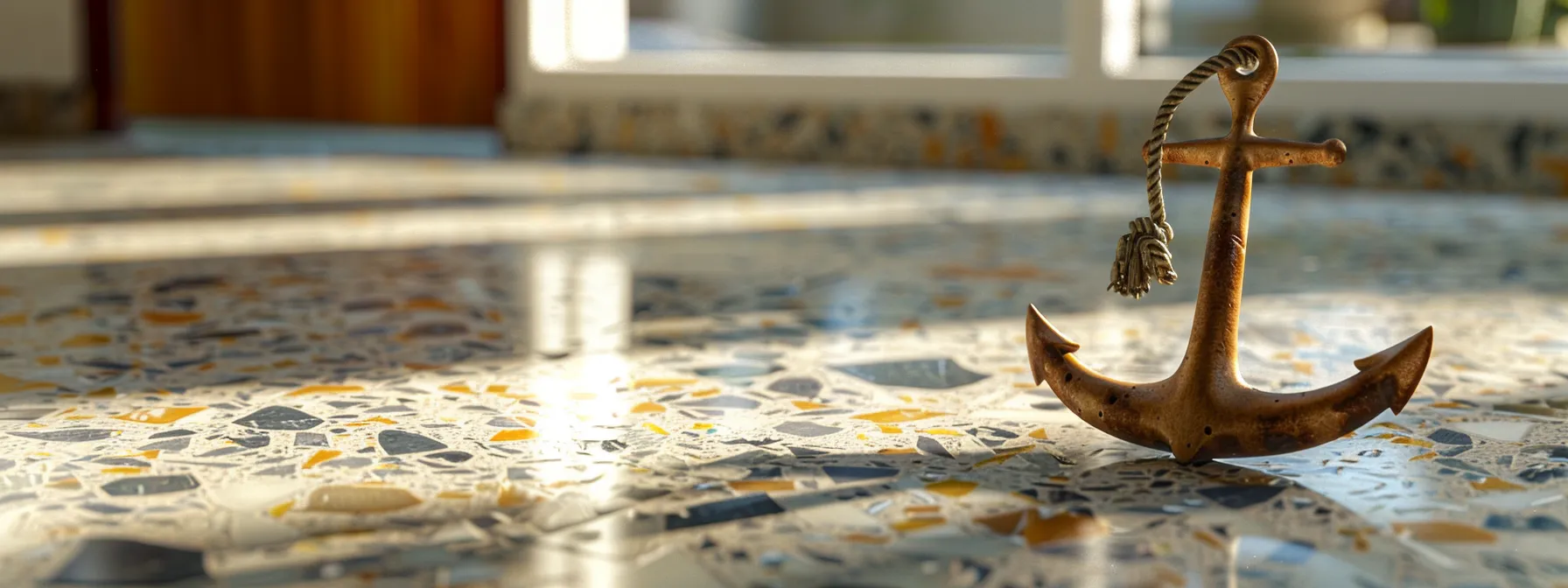
Choosing the right tile for your home improvement project can significantly impact the long-term success of your interior design. With so many options available, it’s essential to understand the durability of each material. This article will explore the durability of Terrazzo Tile compared to ceramic tile, examining various factors that affect their longevity and maintenance. We’ll also analyze the cost-effectiveness of each option, helping you make an informed decision for your next renovation.
Terrazzo Tile Durability Compared to Ceramic
Terrazzo Tiles are renowned for their exceptional durability, primarily due to their unique composition. They are made from a blend of marble, quartz, granite, and other aggregates held together by a cementitious or epoxy binder. This combination results in a highly robust surface that can withstand heavy foot traffic and resist wear and tear over time. In contrast, ceramic tiles are made from clay that is fired at high temperatures, making them less resilient to impact and susceptible to chipping.
Moreover, Terrazzo Tiles have been known to last for decades in commercial spaces, such as airports and shopping malls, where the demand for durability is high. This longevity is attributed to their dense and hard surface, which is less prone to cracking than ceramic tiles. While ceramic tiles can last a long time under lighter use, they are generally more vulnerable to damage in high-traffic areas.
The strength of terrazzo also extends to its ability to handle heavy loads, making it a popular choice for spaces that require strong flooring solutions. Ceramic tiles, while durable in their own right, may not match the robust nature of terrazzo in conditions that demand maximum endurance.
Factors Affecting Tile Durability
Several factors influence the durability of both terrazzo and ceramic tiles. One key factor is the quality of the installation process. Proper installation is crucial, as it determines how well the tiles will perform over time. For example, using the right adhesive and ensuring a level substrate can significantly enhance the tile’s lifespan.
Another factor is the environment in which the tiles are installed. Terrazzo Tiles, with their low porosity, are better suited for areas with high moisture levels, such as bathrooms and kitchens, as they are less likely to absorb water and become damaged. Ceramic tiles can also perform well in these areas but may require additional sealing to prevent moisture penetration.
Additionally, the type of traffic the flooring will endure plays a role in determining durability. Spaces that experience heavy foot traffic or require frequent cleaning may benefit more from the hardscape design of Terrazzo Tiles, whereas ceramic tiles are more suitable for residential settings with moderate use.
Maintenance and Longevity of Terrazzo vs Ceramic
The maintenance requirements of terrazzo and ceramic tiles also impact their longevity. Terrazzo Tiles are easy to maintain, typically needing only regular cleaning with a neutral cleaner to preserve their appearance. Their seamless surface minimizes grout lines, reducing areas where dirt can accumulate.
On the other hand, ceramic tiles require more frequent cleaning due to their textured surfaces and grout lines, which can harbor dirt and stains. While ceramic tiles can be polished and sealed to enhance their durability, this process needs to be repeated periodically to maintain their condition.
Moreover, Terrazzo Tiles often retain their aesthetic appeal longer than ceramic tiles, which can fade or discolor over time. This longevity in appearance makes terrazzo an attractive option for those looking to maintain a pristine look in their interiors for many years.
Cost-effectiveness of Terrazzo and Ceramic Tiles
When considering cost-effectiveness, it’s important to weigh initial costs against long-term benefits. Terrazzo Tiles generally have a higher upfront cost due to their complex installation process and the quality of materials used. However, they offer significant value over time thanks to their durability and low maintenance requirements.
Ceramic tiles, while more affordable initially, may incur higher maintenance and replacement costs over the years, especially if they are installed in high-traffic areas. According to recent analysis from Architectural Digest, the long-term savings on maintenance and replacement can make terrazzo a more cost-effective option in certain scenarios.
Furthermore, the choice between terrazzo and ceramic may also be influenced by the project’s budget and the specific needs of the space. For instance, projects requiring detailed LEED Certification for sustainable building might favor terrazzo for its eco-friendly properties and long lifespan.
Conclusion
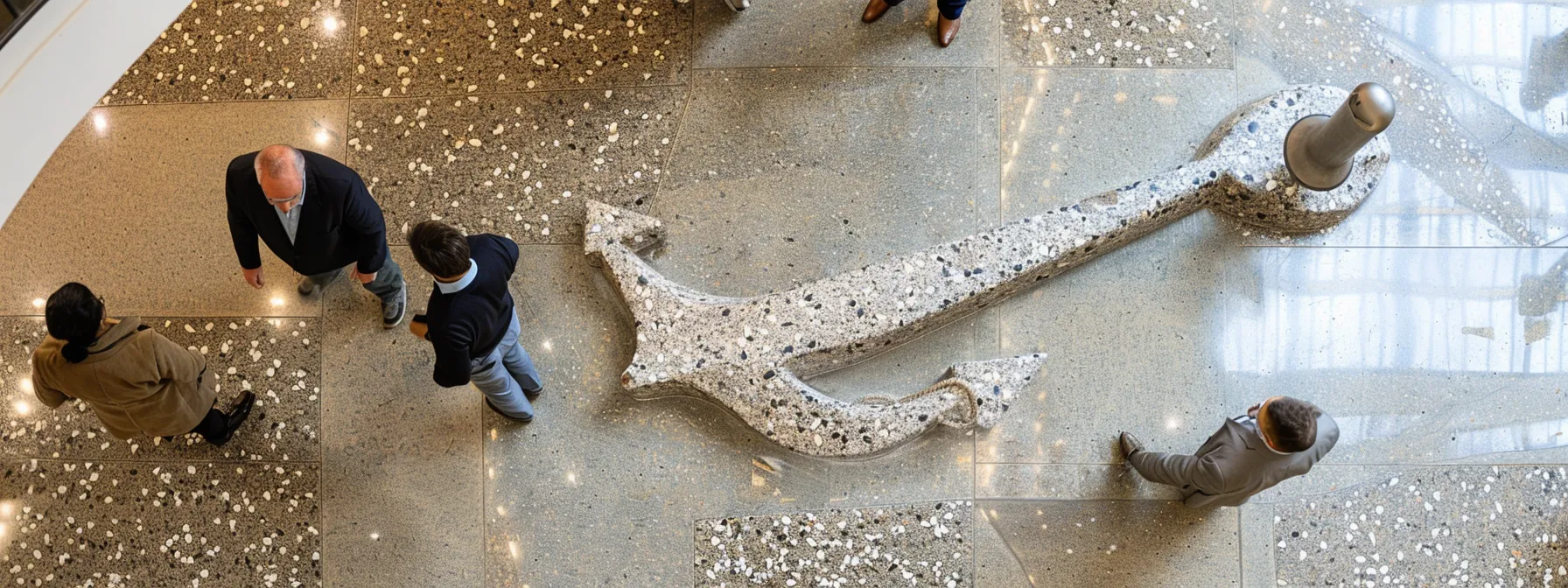
When evaluating the durability of Terrazzo Tile versus ceramic tile, it’s clear that terrazzo offers superior resilience and longevity, particularly in high-traffic areas. While ceramic tiles are suitable for less demanding environments, the long-term benefits of terrazzo, including its low maintenance and enduring appearance, make it a worthwhile investment for many home improvement projects. For those prioritizing durability and aesthetics, terrazzo stands out as the material of choice.