

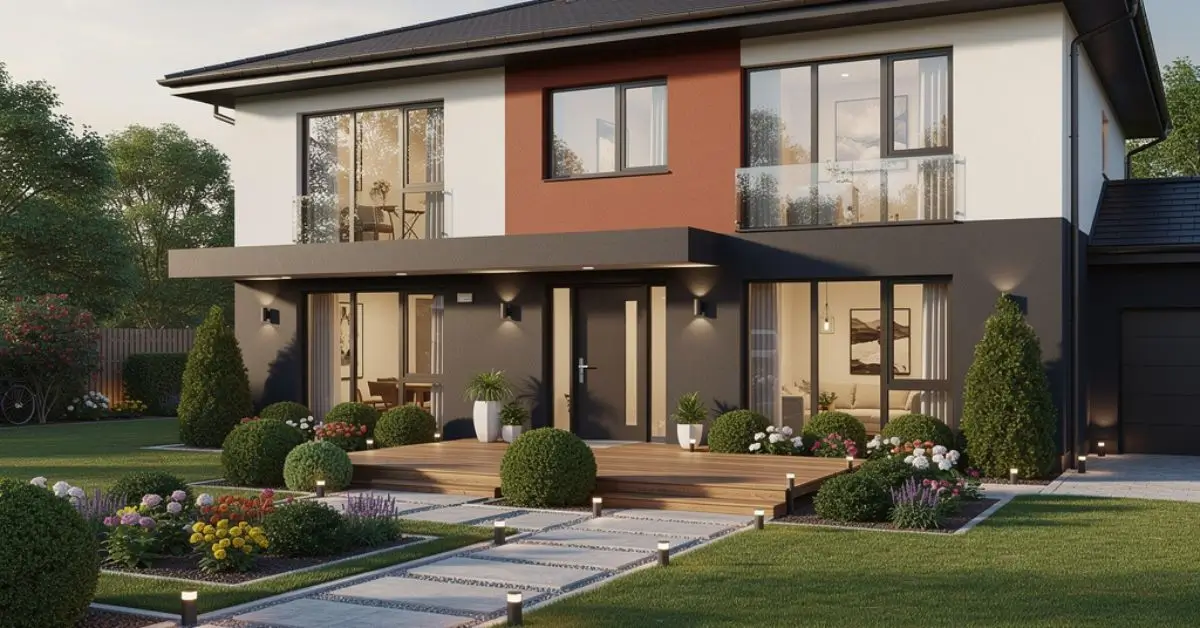
The Gap Between Design Inspiration and Real Home Improvement
There is a frustrating pattern that most homeowners know well. You spend hours looking at beautifully designed spaces online — perfectly styled rooms, flawless renovations, magazine-worthy kitchens. You feel inspired. Then you look at your own home and have no idea where to start.
The problem is not a lack of ideas. It is a lack of a clear, usable framework that connects design thinking to actual home improvement decisions. Most design content shows you the finished result without explaining the decisions that created it — the principles behind the choices, the sequence of changes that made the biggest difference, and the honest trade-offs involved in getting there.
That gap is exactly where a structured design approach — like the one promoted through designmode24 design — becomes genuinely valuable for homeowners.
DesignMode24 design in the context of home improvement refers to a modern, principle-led approach to upgrading and styling living spaces — drawing on contemporary design thinking to help homeowners make smarter decisions about materials, color, furniture, layout, and lighting. It emphasizes intentional choices over impulsive purchases, functional beauty over surface decoration, and incremental improvement over overwhelming all-at-once renovation — making it practically useful for homeowners working across different budgets and skill levels.
Quick Summary
This guide connects DesignMode24 design principles to practical home improvement decisions — covering how to approach upgrades room by room, which changes deliver the most visible impact, and how to apply modern design thinking to a real home without a designer’s budget.
Why Design Principles Matter for Home Improvement
Most people approach home improvement as a series of individual purchases — a new sofa here, a coat of paint there, some new cushions when the old ones look tired. The result is a space that accumulates things rather than develops intentionally.
Design-led home improvement works differently. It starts with understanding what a space needs to function well and feel right — and then makes changes in a sequence that builds toward that outcome rather than adding random elements and hoping they work together.
This is the core of what designmode24 design contributes to home improvement thinking: a framework for making decisions rather than just a catalog of things to buy.
The difference in outcome is significant. Two homeowners can spend the same $2,000 on home improvements. One buys items impulsively as they catch attention online. The other applies design principles to prioritize changes by impact — fixing layout before adding furniture, addressing lighting before decorating, choosing a cohesive color direction before painting individual rooms. The second homeowner’s result looks deliberate. The first looks assembled.
The DesignMode24 Design Approach — Applied to Real Homes
Here is how the core principles of this design approach translate into practical home improvement action.
Start With Function, Then Style
The most common home improvement mistake is prioritizing how things look before fixing how they work. A beautifully decorated living room that has poor traffic flow, inadequate storage, or a furniture arrangement that does not support how the family actually uses the space will always feel slightly wrong — no matter how well it is styled.
The DesignMode24 design approach begins with function. Before choosing paint colors or buying new furniture, ask: does this room work well for how we actually live in it? Is there enough storage? Does the furniture arrangement make movement through the space comfortable? Is the lighting adequate for different times of day and different activities?
Fix functional problems first. Style decisions made on top of a well-functioning layout are dramatically more effective than decorative changes layered over a room that does not work.
Cohesion Over Individual Pieces
One of the most important principles in modern home design is visual cohesion — the sense that all elements in a space were chosen with a shared intention rather than collected independently.
Cohesion does not require buying a matching furniture set. It comes from maintaining consistent choices across three or four key variables: color palette, material finishes, furniture style, and visual weight.
A practical example: a living room with a warm neutral wall color, furniture with natural wood tones and linen upholstery, matte black metal accents on light fixtures and hardware, and soft textile layers in cream and terracotta will feel cohesive — even if every piece came from a different source. The shared warm palette, natural materials, and consistent metal finish create the visual connection.
This principle saves money too. Instead of buying matching sets, you can source pieces from different price points and still achieve a put-together look.
Prioritize High-Surface Changes
Design-led home improvement recognizes that not all changes have equal visual impact. Changes that affect large surface areas — walls, floors, ceilings — have the most dramatic effect on how a room looks and feels.
Paint is the most cost-effective large-surface change available. A fresh coat of paint in a carefully chosen color transforms a room more than almost any furniture purchase. In the US, a quality interior paint job for a standard living room costs approximately $200 to $400 in materials for a DIY project — and the visual return is substantial.
Flooring is the next highest-impact surface. Replacing dated carpet with engineered hardwood or quality luxury vinyl plank flooring changes the entire tone of a room and adds genuine resale value.
The DesignMode24 design principle here is to allocate budget toward surface-area changes before small decorative additions. A freshly painted room with simple furniture looks better than a decorated room with tired walls.
Room-by-Room Home Improvement Using Design Principles
Living Room
The living room is where design-led improvement has the most visible impact — because it is the most-seen and most-used social space in most homes.
Layout first: Arrange furniture to create a conversation zone that does not push all seating against the walls. Pull pieces toward the center of the room and anchor the arrangement with a properly sized rug — large enough for all furniture legs to rest on or at minimum the front legs of all seating pieces.
Lighting second: Add floor and table lamps to complement overhead lighting. The layered effect — ambient, mid-level, and accent light — creates the warmth that makes a living room feel genuinely inviting rather than functionally lit.
Color direction third: Choose a wall color that works with your existing furniture rather than against it. Warm neutrals — creamy whites, soft taupes, warm grays — are currently the strongest choice for US homes because they photograph well, feel calming, and work with a wide range of furniture styles.
Kitchen
Kitchen improvements do not require full renovation to be significant. The designmode24 design approach applies here through strategic, high-impact upgrades that change how the kitchen looks without changing its structure.
Cabinet hardware replacement is the single highest-return kitchen upgrade per dollar spent. Replacing builder-grade chrome pulls with brushed brass, matte black, or satin nickel hardware takes one afternoon and costs $50 to $200 depending on cabinet count. The visual upgrade is immediate and significant.
Under-cabinet lighting changes the quality of both task lighting and ambiance. LED strip lights that require no electrical work start at $25 to $50 and make the kitchen look and function noticeably better.
Open shelving edited carefully — removing clutter from countertops and creating one or two intentionally styled display areas — makes even a modest kitchen feel designed rather than functional-only.
Bedroom
The bedroom demands a design approach that balances aesthetic intention with the room’s primary function: quality rest. Designmode24 design applied to bedrooms prioritizes calm over stimulation.
The bed as focal point: Every bedroom decision should support the bed as the visual anchor. This means the headboard should be substantial enough to hold the wall, bedding should be coordinated and layered, and the furniture arrangement should frame rather than compete with the bed.
Window treatment for dual function: Use blackout curtains or blackout lined drapes for darkness during sleep, layered with sheer panels for soft natural light during the day. This combination — sheers plus blackout — is the professional designer standard for bedroom windows and makes a measurable difference in both sleep quality and room aesthetics.
Surface discipline: Remove everything from bedroom surfaces that does not serve a daily purpose. A lamp, a book, and a small plant on a nightstand looks intentional. A collection of miscellaneous objects looks cluttered — and genuinely affects how restful the room feels.
Bathroom
Bathrooms are small spaces where material and finish quality are immediately apparent. Modern design principles applied here focus on cohesion of finishes and elimination of visual noise.
Unified fixture finishes: If your towel bars, toilet paper holder, faucet, and shower hardware are all different finishes — some chrome, some brushed nickel, some oil-rubbed bronze — the bathroom will feel visually disjointed regardless of how clean it is. Replacing these with a single consistent finish creates immediate cohesion.
Fresh grout and caulk: Old, discolored grout and deteriorating caulk make otherwise functional tile look neglected. Regrouting or fresh caulk application is a low-cost weekend project with a significant visual return.
Coordinated textiles: A set of matching towels and a quality bath mat in a consistent color — replacing mismatched or worn sets — is a $30 to $50 investment that immediately upgrades the bathroom’s overall appearance.
Design Decisions That Are Worth the Cost vs. Where to Save
This is where practical home improvement guidance differs from aspirational design content.
Worth the investment:
Structural changes like flooring and windows — these affect both daily quality of life and resale value. Quality paint applied properly — cheap paint requires more coats and looks worse over time. Furniture with solid construction that will last years. Good lighting fixtures that will remain relevant as decor changes.
Where saving is smart:
Decorative accessories — cushions, throws, candles, artwork, and small objects — are easily replaced as taste evolves. Trendy design elements that are likely to feel dated within a few years. High-end versions of items that work just as well in mid-range — bath mats, drawer organizers, basic storage solutions.
A Quick Reference: Design Improvements by Impact and Cost
| Improvement | Room | Cost Range | Visual Impact | DIY Friendly |
|---|---|---|---|---|
| Fresh paint — full room | Any | $150–$400 | Very High | Yes |
| Furniture rearrangement | Living room | $0 | Very High | Yes |
| Cabinet hardware replacement | Kitchen | $50–$200 | High | Yes |
| Layered lighting addition | Living room | $40–$150 | Very High | Yes |
| Blackout curtain installation | Bedroom | $60–$120 | High | Yes |
| Extended area rug | Living room | $100–$400 | High | Yes |
| Under-cabinet LED lighting | Kitchen | $25–$60 | High | Yes |
| Coordinated towel set | Bathroom | $30–$60 | Medium | Yes |
| Unified fixture finishes | Bathroom | $80–$200 | High | Yes |
| Decluttering surfaces | Any | $0 | High | Yes |
Common Home Improvement Mistakes to Avoid
Even with good design principles, certain mistakes consistently undermine home improvement efforts.
Choosing paint colors from a swatch alone. Paint always looks different on a wall than it does on a small chip. Always test paint by applying a large swatch — at least 12 by 12 inches — directly on the wall and observe it at different times of day before committing.
Buying furniture before measuring. The most common and most costly furniture mistake is buying pieces that look right online but are the wrong scale for the actual room. Always measure your space, map out your furniture placement on paper or digitally, and verify dimensions before purchasing.
Renovating before decluttering. Adding new design elements to a cluttered space is like adding fresh paint to a dirty wall — the result is still wrong. Clear every space thoroughly before making improvement decisions. You may find you need fewer new things than you thought.
Trying to do everything at once. Attempting a whole-home overhaul simultaneously leads to budget overruns, decision fatigue, and half-finished projects. Designmode24 design thinking supports a sequential approach — complete one room properly before moving to the next.
Conclusion
Home improvement works best when it is guided by clear principles rather than driven by impulse or trend-chasing. The designmode24 design approach gives homeowners something more valuable than inspiration — it gives them a framework for making decisions that build toward a home that genuinely works and feels intentionally designed.
Whether you are refreshing a single room or working toward a whole-home transformation, the sequence matters: fix function first, establish cohesion through consistent choices, prioritize high-impact surface changes, and add decorative layers only once the foundation is right.
That approach — patient, principled, and honest about what each change will actually deliver — consistently produces better results than spending more or changing faster.
If this guide gave you a clearer direction for your next home improvement project, explore more content on room-specific design upgrades and budget-conscious renovation strategies to keep building momentum toward the home you actually want.
Frequently Asked Questions
How does DesignMode24 design apply to home improvement?
DesignMode24 focuses on practical home improvements by prioritizing function, visual consistency, and budget-friendly upgrades before decorative changes.
What home improvements add the most value on a budget?
Fresh paint, updated cabinet hardware, better lighting, and a well-sized area rug offer some of the best value at a low cost.
What is the most important design principle for beginners?
Focus on function first. Improve layout, lighting, and furniture placement before adding décor or accessories.
How do I choose a design style for my home?
Save inspiration images, identify common colors and materials, and use a consistent style throughout your home.
How often should I update my home’s design?
Update major features only when needed, but refresh décor, textiles, and accessories as your style or seasons change.