

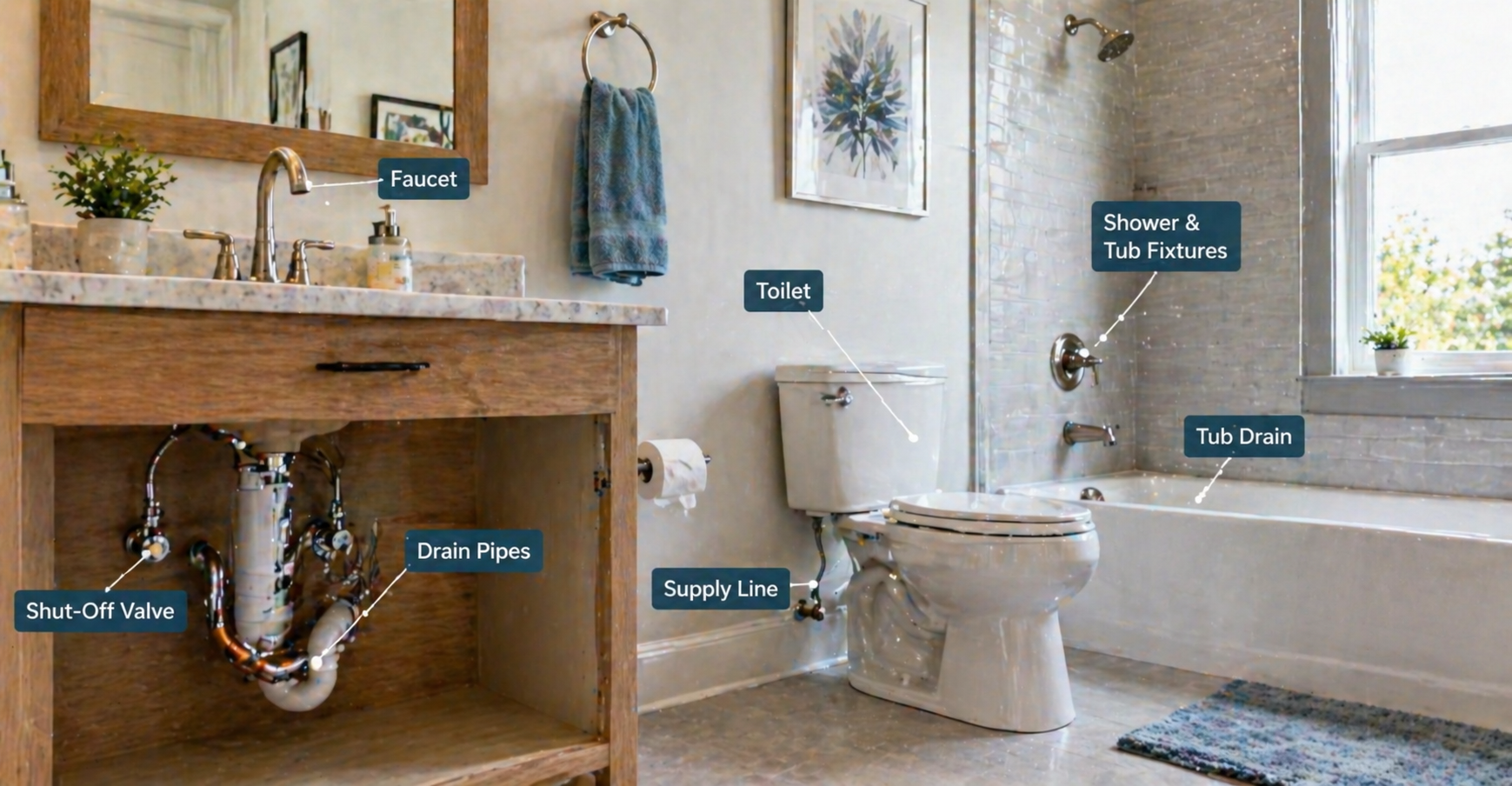
Understanding Common Plumbing Problems
Every homeowner eventually encounters plumbing issues that disrupt daily routines and cause frustration. These problems range from minor annoyances to serious emergencies requiring immediate attention. Whether you live in a century-old house in London, a suburban home in Toronto, or a modern apartment in New York, plumbing systems share similar vulnerabilities. Understanding common plumbing problems and their solutions empowers you to address issues promptly, potentially saving hundreds or even thousands of dollars in repairs. Some problems you can fix yourself with basic tools and knowledge, while others require professional expertise. This comprehensive guide walks you through the most frequent plumbing challenges homeowners face and provides practical solutions that work in real-world situations.
Dripping Faucets and How to Stop the Constant Leak
A dripping faucet seems like a minor inconvenience, but it wastes surprising amounts of water over time. That rhythmic drip-drip-drip can waste up to 3,000 gallons annually from just one faucet, significantly increasing your water bill. The most common cause is a worn-out washer or O-ring inside the faucet assembly. When these rubber components deteriorate, they no longer create a watertight seal, allowing water to seep through even when the handle is fully closed.
Fixing this issue typically requires shutting off the water supply to the affected faucet, then disassembling the handle to access the internal components. You will find either a compression washer or cartridge system depending on your faucet type. Replacing the worn washer costs pennies and takes about twenty minutes for someone with basic DIY skills. However, if you have a more complex single-handle or pull-down faucet, you might need to replace the entire cartridge assembly. Keep your faucet model information handy when purchasing replacement parts, as sizes and types vary considerably. When the problem persists after replacing washers, corrosion or valve seat damage might be the culprit, which sometimes requires professional assessment.
Clogged Drains Causing Slow Water Flow
Clogged drains rank among the most common plumbing problems homeowners encounter in kitchens, bathrooms, and utility rooms. Hair, soap scum, food particles, grease, and mineral buildup gradually accumulate inside pipes, restricting water flow. You first notice the issue when water pools around your feet during showers or takes forever to drain from the kitchen sink. Ignoring slow drains leads to complete blockages that create messy backups and potential water damage.
For minor clogs near the drain opening, a simple plunger often provides the solution. Create a tight seal around the drain and use vigorous plunging motions to dislodge the obstruction. Kitchen sink clogs frequently result from grease buildup, which hardens inside pipes and traps other debris. Pouring boiling water down the drain can sometimes melt grease clogs, though this method works better as prevention than cure. A mixture of baking soda followed by vinegar creates a fizzing reaction that helps break down organic matter in drains. Let this natural solution sit for thirty minutes before flushing with hot water.
For stubborn clogs deeper in the plumbing system, a drain snake or auger becomes necessary. This flexible metal cable extends into the pipe, breaking up or retrieving blockages beyond the reach of plungers. Avoid using chemical drain cleaners regularly, as they corrode pipes over time and pose environmental hazards. When multiple drains clog simultaneously or water backs up in unexpected places, you likely have a main sewer line blockage requiring professional equipment like motorized augers or hydro-jetting.
Running Toilets Wasting Water Continuously
A toilet that runs constantly after flushing represents one of the easiest common plumbing problems to diagnose yet causes substantial water waste. You might hear water trickling into the bowl long after you flush, or notice the tank refilling randomly throughout the day. This issue typically stems from problems with the flapper valve, fill valve, or overflow tube inside the tank. The flapper is a rubber seal at the tank bottom that lifts when you flush, allowing water to rush into the bowl. When this rubber component deteriorates or becomes misaligned, water continuously leaks from the tank into the bowl.
Opening the tank lid reveals the internal mechanisms clearly. Watch the flapper as the tank fills after flushing. If water keeps running after the tank fills, the flapper likely needs replacement. These inexpensive rubber components cost just a few dollars at hardware stores and snap into place without tools. Sometimes the chain connecting the flush handle to the flapper becomes tangled or has incorrect length, preventing proper sealing. Adjusting the chain length so it has slight slack when the flapper is closed often solves the problem immediately.
The fill valve, which controls water entering the tank, can also malfunction and cause running toilets. If water continuously flows into the overflow tube, the fill valve needs adjustment or replacement. Modern fill valves have adjustment screws that let you set the proper water level, which should sit about one inch below the overflow tube top. Replacing a faulty fill valve requires shutting off the toilet water supply, draining the tank, and installing the new assembly according to manufacturer instructions. These repairs prevent hundreds of gallons of daily water waste and the annoying sound of constantly running water.
Low Water Pressure Reducing Flow Throughout Your Home
Low water pressure frustrates homeowners when showers become weak trickles and filling pots takes forever. This problem has numerous potential causes ranging from simple fixes to complex infrastructure issues. Sometimes low pressure affects only one fixture, while other times the entire house experiences reduced flow. Start troubleshooting by determining whether the problem is localized or widespread throughout your plumbing system.
When a single faucet has low pressure but others work normally, the aerator screen likely has mineral buildup or debris blocking water flow. Unscrew the aerator from the faucet tip and rinse it thoroughly, removing any sediment or scale deposits. Soaking the aerator in vinegar overnight dissolves stubborn mineral accumulation common in areas with hard water. If cleaning the aerator does not restore pressure, the supply line to that specific fixture might have a partially closed valve or internal blockage.
Whole-house low pressure indicates bigger issues within your main supply line or municipal water system. Check with neighbors to determine if they experience similar problems, which would point to city water supply issues beyond your control. Corroded galvanized pipes in older homes gradually narrow as rust and mineral deposits accumulate over decades, significantly restricting flow. This common problem in houses built before the 1960s often requires repiping with modern copper or PEX tubing. Pressure regulators, which control water pressure entering your home from the main line, can also fail and need adjustment or replacement. Hidden leaks in underground supply lines sometimes reduce pressure while wasting thousands of gallons, requiring professional leak detection services.
Leaky Pipes Creating Water Damage Risks
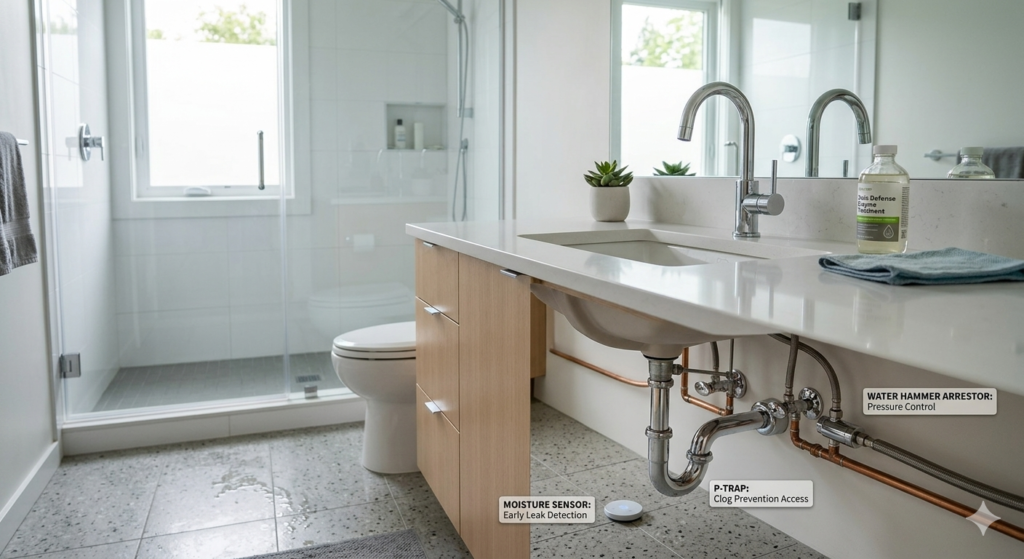
Leaky pipes represent urgent common plumbing problems requiring immediate attention to prevent water damage, mold growth, and structural issues. Pipes leak at joints, along corroded sections, or where fittings connect to fixtures. You might notice water stains on ceilings or walls, hear dripping inside walls, or see puddles forming under sinks. Cold weather creates additional risks as freezing temperatures cause pipes to burst, releasing hundreds of gallons quickly.
For visible leaks at pipe joints, tightening the connection sometimes stops minor drips. Use appropriate wrenches for the pipe type, being careful not to overtighten and crack fittings. Pipe joint compound or thread seal tape applied to threaded connections creates better seals and prevents future leaks. Small pinhole leaks in copper or steel pipes can be temporarily patched with epoxy putty or pipe repair clamps until permanent repairs are made. These emergency fixes buy time but should not replace proper repairs.
Corroded pipes with multiple weak spots need replacement rather than repeated patching. This is particularly true for galvanized steel pipes common in older homes, which rust from the inside out. Modern replacement options include copper, PEX, and CPVC, each with advantages for different applications. Preventing frozen pipes in winter involves insulating exposed pipes in unheated areas, allowing faucets to drip during extreme cold, and maintaining adequate heating throughout your home. When pipes do freeze, never use open flames to thaw them. Instead, apply gentle heat with a hairdryer or heating pad, working from the faucet back toward the frozen section to allow melting ice to escape.
Water Heater Issues Affecting Hot Water Supply
Water heater problems disrupt daily comfort, leaving you with cold showers and difficulty completing household tasks. Common issues include insufficient hot water, water that is too hot, strange noises, and visible leaks around the tank. Most water heaters last eight to twelve years before requiring replacement, though proper maintenance extends their lifespan. Understanding these common plumbing problems helps you determine when DIY fixes work and when professional service is necessary.
When your hot water runs out quickly, the thermostat might need adjustment or the heating element could be failing. Most water heaters have temperature settings that should be around 120 degrees Fahrenheit for safety and efficiency. Higher settings waste energy and create scalding risks, while lower temperatures may not provide adequate hot water for household needs. Sediment accumulation at the tank bottom reduces heating efficiency and capacity over time. Flushing your water heater annually removes this sediment, improving performance and extending equipment life. Connect a garden hose to the drain valve and empty several gallons until the water runs clear.
Rumbling or popping sounds from your water heater indicate significant sediment buildup that is being heated and moved around. This sediment hardens around heating elements, making them work harder and eventually fail. Replacing heating elements in electric water heaters is a manageable DIY project with basic electrical knowledge and safety precautions. Gas water heaters with pilot light problems might have thermocouple issues preventing the gas valve from staying open. Water pooling around the heater base often signals a tank leak, which unfortunately requires full unit replacement since tank integrity has been compromised.
Sewer System Backup Creating Health Hazards
Sewer system backups rank among the most unpleasant and urgent common plumbing problems homeowners face. When wastewater backs up into your home through drains, toilets, or basement floor drains, it creates health hazards and requires immediate action. These backups result from blockages in your home’s drain lines, problems with the main sewer line, or issues with municipal sewer systems. Recognizing early warning signs like gurgling drains, slow drainage throughout the house, or sewage odors helps you address problems before major backups occur.
Tree roots represent a leading cause of main sewer line blockages, especially in older neighborhoods with mature landscaping. Roots seek moisture and nutrients, infiltrating tiny cracks in sewer pipes and eventually creating major obstructions. Professional plumbers use specialized cameras to inspect sewer lines and identify the exact location and nature of blockages. Hydro-jetting uses high-pressure water streams to clear roots and debris, while severe cases might require excavating and replacing damaged pipe sections.
Flushing inappropriate items causes many sewer backups. Despite marketing claims, flushable wipes do not break down like toilet paper and frequently create clogs. Feminine hygiene products, paper towels, cotton swabs, and similar items should never enter your plumbing system. In homes with older clay or cast iron sewer lines, normal settling and ground movement can misalign pipe sections, creating low spots where debris accumulates. Installing a backwater valve prevents sewage from flowing backward into your home during municipal system overloads or heavy rain events. When you experience a sewer backup, contact professionals immediately as this situation poses serious health risks and typically exceeds DIY capabilities.
Garbage Disposal Problems Causing Kitchen Disruptions
Garbage disposals handle tough jobs daily, grinding food waste into small particles that wash safely through drain systems. However, these hardworking appliances frequently experience common plumbing problems that stop them from functioning. When your disposal hums but does not grind, jams but will not turn, or leaks from various points, specific solutions address each issue without necessarily requiring replacement.
A humming disposal indicates electrical power reaches the motor, but internal components cannot turn due to jamming. Never put your hand inside a disposal, even when powered off. Instead, use the reset button located on the disposal bottom, which pops out when the motor overheats or overloads. Press this button firmly to reset the internal breaker. If the disposal still hums without grinding, something is jamming the impellers. Most disposals include an Allen wrench specifically sized for the hex-shaped hole in the center bottom of the unit. Insert this wrench and manually rotate the motor back and forth to dislodge the obstruction. Alternatively, use a wooden spoon or broom handle inserted from above to carefully push against the impeller lugs.
Leaks from garbage disposals occur at three main locations: the sink flange connection at top, the dishwasher inlet connection on the side, or the discharge pipe connection leading to the drain system. Tightening mounting screws or bolts at these connection points often stops minor leaks. The plumber’s putty seal between the disposal and sink flange deteriorates over time and might need replacement. This repair requires removing the entire disposal unit, cleaning old putty residue, applying fresh putty, and reinstalling the disposal. Avoid grinding fibrous materials like celery, corn husks, or onion skins, which wrap around components and create jams. Hard items like bones, fruit pits, and shells dull grinding components and should go into trash rather than disposals.
Preventing Common Plumbing Problems Through Regular Maintenance
Prevention saves money and hassle compared to repairing common plumbing problems after they occur. Establishing simple maintenance routines keeps your plumbing system functioning reliably for years. These preventive measures require minimal time and effort but deliver significant benefits by catching small issues before they become expensive emergencies.
Inspecting visible pipes under sinks and around water heaters quarterly helps you spot leaks early when they are minor drips rather than major floods. Look for water stains, corrosion, or moisture on pipes and surrounding surfaces. Tightening loose connections and replacing worn supply lines prevents future leaks. Pour hot water down drains weekly to help clear grease and soap buildup before they create significant clogs. Monthly treatments with baking soda and vinegar followed by hot water maintain clear, odor-free drains naturally without harsh chemicals.
Testing water pressure annually with an inexpensive pressure gauge identifies problems early. Pressure consistently above eighty pounds per square inch stresses pipes and appliances, while low pressure indicates supply issues or hidden leaks. Flushing water heaters annually removes sediment that reduces efficiency and shortens equipment life. Insulating exposed pipes in unheated areas prevents freezing and reduces heat loss from hot water lines. Schedule professional plumbing inspections every few years, especially in older homes, to identify potential problems invisible to homeowners. These preventive investments cost far less than emergency repairs and water damage restoration.
FAQs
What are the most common plumbing problems homeowners experience?
The most frequent issues include dripping faucets, clogged drains, running toilets, low water pressure, and leaky pipes. These problems occur in homes across USA, UK, and Canada regardless of age or construction type, though older homes typically experience more frequent plumbing issues due to aging infrastructure.
Can I fix common plumbing problems myself or should I call a professional?
Simple issues like replacing faucet washers, unclogging drains with a plunger, or adjusting toilet flappers are suitable for DIY repairs with basic tools and instructions. However, problems involving main sewer lines, water heater repairs, pipe replacement, or situations where you cannot identify the cause require professional plumbers to prevent making problems worse.
How can I prevent plumbing problems before they start?
Regular maintenance prevents most common plumbing problems. Flush drains weekly with hot water, avoid pouring grease down sinks, never flush inappropriate items, inspect visible pipes quarterly for leaks, and flush your water heater annually. Professional inspections every two to three years catch developing issues early when repairs are simpler and less expensive.
Why does my water pressure suddenly drop throughout the house?
Sudden whole-house pressure drops indicate problems with your main water supply, pressure regulator failure, significant leaks in supply lines, or municipal water system issues. Check with neighbors first to rule out city supply problems, then inspect your pressure regulator and look for signs of leaks. Professional evaluation helps identify the specific cause quickly.
How long do plumbing fixtures and pipes typically last?
Fixture lifespans vary considerably. Faucets last ten to fifteen years, toilets twenty to thirty years, and water heaters eight to twelve years with proper maintenance. Copper pipes can last fifty years or more, while galvanized steel pipes deteriorate within forty to fifty years. PEX and CPVC plastic pipes are newer materials expected to last at least fifty years based on current data.
Conclusion
Understanding common plumbing problems and their solutions empowers homeowners to maintain functional, efficient plumbing systems while avoiding costly emergency repairs. From simple fixes like replacing faucet washers to more complex challenges like sewer line blockages, knowing when to tackle repairs yourself and when to call professionals protects your home and budget. Regular maintenance prevents most plumbing issues before they develop into serious problems, making prevention the most valuable solution of all. By applying the practical knowledge in this guide, you can address plumbing challenges confidently and keep your home’s water systems running smoothly for years to come.