

What Phelicznik Means and Why It Matters
When you first encounter the word phelicznik, it might feel unfamiliar, but it represents something far more fascinating than a simple term. Phelicznik is an evolving concept tied to creative expression that blends art, culture, technology, and human experience in ways that push tradition forward. Across the USA, UK, and Canada, phelicznik is gaining attention not just among artists but among thinkers who see it as a gateway to new creative possibilities.
At its core, phelicznik describes a practice where visual art, performance, digital innovation, and cultural storytelling intersect. The word has roots in creative exploration and reflects a dynamic form of expression that has transformed over time. This term now stands as a symbol of creativity without limits, encouraging artists and audiences alike to reimagine what art and innovation can look like in a global context.
The Origins of Phelicznik in Creative History
Understanding phelicznik begins with its history. Although traces of the term are anchored in older cultural narratives, it has evolved into a contemporary concept that artists and scholars now examine seriously. Early interpretations of phelicznik were closely connected to traditional artistic practices, where local stories and cultural histories were expressed through handcrafted works.
Over time, this foundation expanded. Artists began experimenting, mixing classic methods with modern tools like digital media and interactive technologies. This evolution helped transform phelicznik from a static art form into a living, adaptive expression that reflects ever-changing cultural landscapes.
What makes phelicznik truly unique is its ability to absorb influences from various time periods and cultural backgrounds while still maintaining a unifying theme of creative exploration.
How Phelicznik Influences Modern Creative Arts
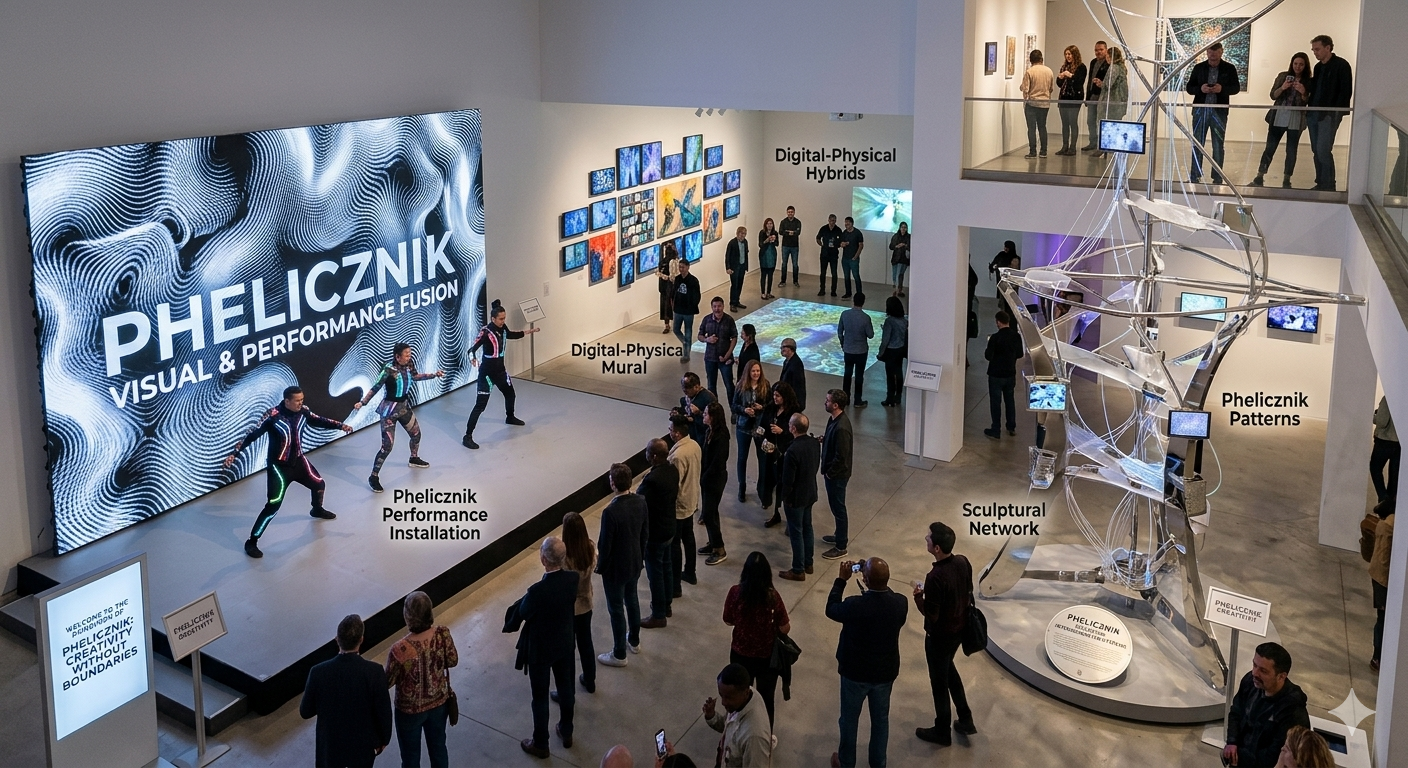
In today’s creative world, phelicznik plays a role that is both broad and deeply personal. It allows artists to break away from rigid artistic categories, blending elements such as digital installations, mixed media paintings, live performance, and even virtual reality. This blending is not chaotic, but intentional and expressive, offering fresh ways for creators to explore meaning and connection.
In practice, phelicznik might appear as an immersive installation that responds to viewer movement or an interactive digital display that integrates sound, color, and text. These pieces invite the viewer not just to observe, but to participate. As a result, phelicznik art forms expand beyond the conventional boundaries of galleries or studios and into public spaces, virtual platforms, and community events.
Because of its versatility, phelicznik has become valuable for cultural curators and creative professionals who aim to connect audiences with art in more dynamic and meaningful ways.
Why Phelicznik Is Gaining Attention in the USA, UK, and Canada
In creative communities across the USA, UK, and Canada, phelicznik is gaining traction as more than a buzzword—it’s a concept shaping the future of artistic thought. Artists in major cities like New York, London, and Toronto are incorporating phelicznik-inspired techniques into their work, challenging conventional norms and exploring new dimensions of artistic interaction.
These regions also share a deep tradition of cultural diversity, which makes phelicznik particularly meaningful. The term’s emphasis on blending perspectives aligns well with multicultural societies eager to celebrate diverse stories and artistic voices. As a result, phelicznik isn’t only a label; it’s a movement toward inclusive creativity that supports collaboration and innovation.
Furthermore, festivals, exhibitions, and cultural events in these countries now often include works that embody the spirit of phelicznik. This presence in prominent cultural spaces has helped the term spread and evolve, bridging creative communities across continents.
The Role of Technology in Phelicznik Expression
A major reason for phelicznik’s modern appeal is its embrace of technology. As tools like virtual reality, augmented reality, 3D printing, and advanced digital software become more accessible, artists use them to expand the language of phelicznik art.
For example, interactive digital installations allow viewers to influence an artwork through motion sensors or touchscreens. Virtual reality experiences invite users into immersive worlds shaped by sound, color, and storytelling. These technologies don’t just enhance art; they redefine what art can be.
This intersection of technology and creativity makes phelicznik especially relevant for younger generations. Students, digital artists, and tech-savvy creators see it as a space where imagination meets innovation, fueling artistic breakthroughs in ways traditional art forms cannot always achieve.
Phelicznik in Cultural and Social Conversations
Beyond galleries and digital platforms, phelicznik has also become part of broader cultural conversations. Because the term is not tied to one specific medium or style, it serves as a bridge between different artistic traditions and social perspectives. It allows people to examine how culture evolves and how creativity reflects shared human experience.
In social discussions, phelicznik often represents the melding of tradition and innovation. It encourages people to look at history not as a static record, but as inspiration for new expressions. This is particularly meaningful in nations like the USA, UK, and Canada, where diverse cultural heritages coexist and intersect.
This cultural relevance has helped phelicznik move beyond artistic circles into academic studies, social policy conversations, and educational programs that explore the role of art in community and identity.
Challenges Facing Phelicznik and Its Practitioners
Like any growing movement, phelicznik faces challenges. Some critics argue that blending digital and traditional art can dilute artistic purity or compromise depth. Others raise concerns about cultural appropriation when elements from different traditions are combined without respect or understanding.
There is also a practical challenge tied to resources. Because phelicznik often incorporates technology, access to tools and funding can be limited for emerging artists or communities with fewer resources. This has led some advocates to emphasize the need for more inclusive support systems so that phelicznik-style creativity can flourish across all communities.
Despite these challenges, many artists and thinkers believe that addressing them is part of phelicznik’s evolution, not a barrier to its growth.
How to Engage with Phelicznik as a Creator or Enthusiast
Whether you’re an artist, student, cultural enthusiast, or simply curious, engaging with phelicznik starts with exploration. Attend exhibitions that blend art with digital interaction. Read works by creators who incorporate mixed media, performance, and storytelling. Engage with online platforms that showcase emerging art forms.
Participating in workshops or learning digital creative tools can also deepen your understanding of how phelicznik is shaping modern creative practice. The key is not to see it as a rigid category, but as a flexible space for learning, experimenting, and discovering new artistic possibilities.
The Future of Phelicznik in Arts and Culture
Looking ahead, phelicznik is poised to grow even more prominent. As creative technologies evolve, so will the ways artists express ideas. Virtual exhibitions, immersive art experiences, and cross-cultural collaborations will continue to push the boundaries of what phelicznik means.
In nations like the USA, UK, and Canada, where artistic innovation thrives, phelicznik will likely become even more integrated into cultural identity and creative discourse. Its adaptability and openness to innovation suggest that it will remain a dynamic part of the artistic landscape for years to come.
FAQs
What is Phelicznikexactly?
Phelicznik refers to a form of creative expression that blends visual arts, performance, and modern technology to create innovative artistic experiences.
Where did Phelicznikoriginate?
The term has roots in historical artistic traditions but has evolved into a modern concept reflecting the fusion of culture and innovation.
How does technology influence Phelicznikart?
Technology enables artists to incorporate interactive and immersive elements like digital installations, virtual reality, and multimedia storytelling into phelicznik works.
Can anyone create Phelicznikart?
Yes, artists and creators from various backgrounds can explore phelicznik as long as they embrace experimentation and creative expression.
Why is Phelicznikrelevant today?
Phelicznik offers a fresh way to connect art, culture, and innovation, reflecting diverse perspectives and fostering creative exploration in a global context.
Conclusion
In today’s world, phelicznik represents much more than a word—it symbolizes the fusion of creativity, culture, and innovation. Whether experienced in galleries, digital platforms, or community events, phelicznik challenges us to rethink what art can be and how it connects us. As it continues to evolve across the USA, UK, and Canada, this concept provides a vibrant lens through which we can explore artistic expression and cultural meaning in the modern era.