

Connectivity HSSGamepad: Everything You Need to Know
There is nothing more frustrating in gaming than a controller that will not connect properly. You sit down ready to play, and instead of gaming, you spend twenty minutes troubleshooting a connection that should have taken thirty seconds to set up.
If you are dealing with this exact problem with the HSS gamepad, or if you are simply trying to understand how its connectivity works before you buy, this guide is written specifically for you.
Connectivity is one of the most important factors in any gamepad. It affects how responsive the controller feels, which devices it works with, and how reliable your gaming experience will be session after session. Getting this right from the start saves a lot of time and frustration.
This guide covers everything about connectivity HSSgamepad setup, the different connection modes available, how to get the best performance from each, and how to fix the most common problems users run into.
What Is Connectivity HSSGamepad?
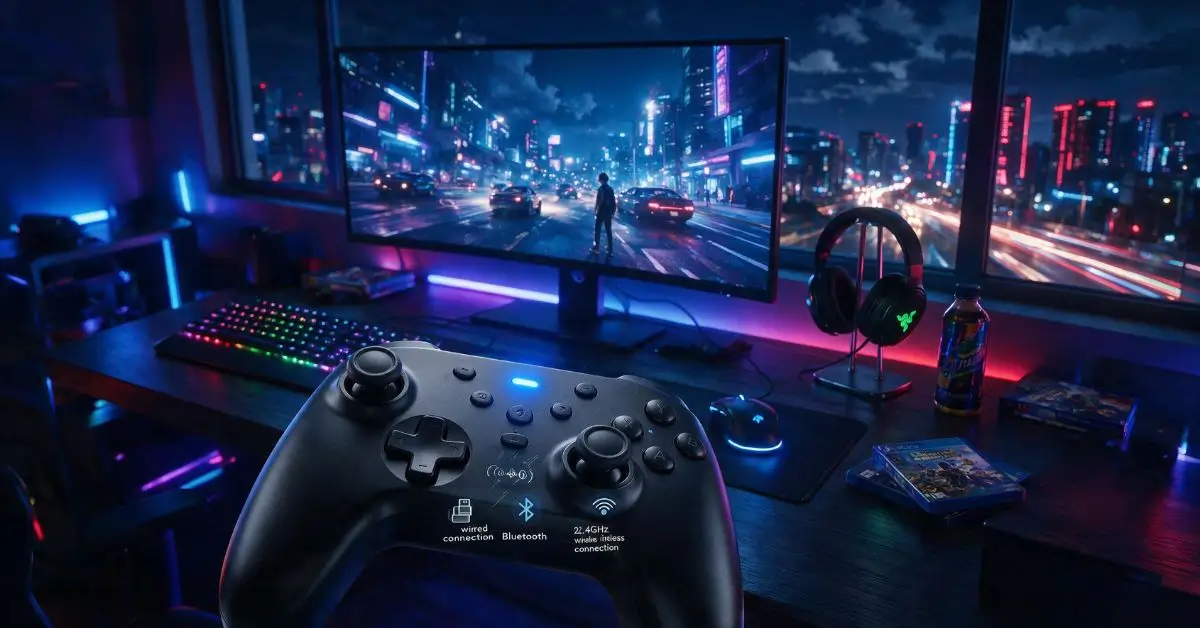
Connectivity HSSgamepad refers to the connection capabilities of the HSS gamepad controller, which supports multiple methods for linking to gaming devices including wired USB, wireless Bluetooth, and in some models a 2.4GHz wireless receiver. These options allow the gamepad to work across PCs, Android devices, consoles, and other compatible platforms, giving users flexibility in how and where they game.
Quick Summary
The HSS gamepad supports wired and wireless connection modes. This guide explains how each mode works, how to set up the controller on different devices, what affects connection quality, and how to solve the most common connectivity problems quickly.
Why Connectivity Matters More Than Most Gamers Expect
Most people look at a gamepad and focus on the buttons, the grip, and the price. Connectivity is often the last thing on the list.
But connectivity directly affects gameplay in ways that are easy to feel and hard to ignore once you experience them. Input lag, dropped connections, range limitations, and compatibility issues all come down to how the controller connects to your device.
For competitive gamers, even a few milliseconds of input delay can affect performance. For casual players, a controller that keeps disconnecting ruins the experience entirely.
According to a 2023 survey by Statista, over 60% of US gamers play across multiple platforms, including PC, mobile, and consoles. A gamepad that handles connectivity HSSgamepad options well across those platforms is genuinely more valuable than one that only works well in a single setup.
Understanding your options up front means you can configure your controller correctly the first time.
The Three Main Connection Modes
Wired USB Connection
The wired USB connection is the simplest and most reliable option. You plug the cable directly from the gamepad into your device, and the connection is immediate. No pairing required, no signal interference, no battery concerns.
For PC gaming in particular, wired is often the preferred choice among serious players. The input latency is minimal because there is no wireless transmission step between pressing a button and the signal reaching your device.
A practical example: a gamer in Seattle playing fast-paced first-person shooter games on PC would almost always choose wired over wireless to eliminate any possible delay. The difference might be small, but in competitive play it adds up.
The limitation is obvious. The cable restricts movement and creates a physical tether to your device. For couch gaming or playing from across the room, this becomes inconvenient quickly.
Bluetooth Wireless Connection
Bluetooth is the most versatile wireless option. The connectivity HSSgamepad Bluetooth mode allows connection to a wide range of devices including Android smartphones, tablets, PCs with Bluetooth support, and some smart TVs.
Setting up Bluetooth typically involves holding a pairing button on the gamepad until a light begins flashing, then selecting the device from your Bluetooth settings. The process takes under a minute once you know the steps.
The realistic range for stable Bluetooth gamepad connectivity is around 8 to 10 meters in an open space. Walls, other wireless devices, and interference from electronics can reduce that range meaningfully.
Bluetooth is excellent for mobile gaming and casual home setups. It is slightly more prone to occasional lag compared to wired, though for most games and most players this difference is barely noticeable.
2.4GHz Wireless Receiver
Some HSS gamepad models include a dedicated 2.4GHz USB dongle. This small receiver plugs into your PC or laptop and creates a direct wireless connection to the gamepad without relying on Bluetooth.
This mode combines the best qualities of both options. You get wireless freedom without the occasional instability that Bluetooth can introduce in busy wireless environments. The 2.4GHz connection is typically faster and more stable than Bluetooth for gaming purposes.
The downside is that the dongle occupies a USB port and is easy to lose. If you travel frequently with your gamepad, keeping track of that small receiver becomes a real concern.
Setting Up the HSS Gamepad on Different Devices
On PC (Windows)
For wired connection, simply plug in the USB cable. Windows will typically detect the controller automatically and install any necessary drivers. If it does not appear in Device Manager, downloading the latest driver from the manufacturer’s site usually solves it.
For 2.4GHz wireless, insert the USB dongle and power on the gamepad. The connection usually establishes automatically within a few seconds.
For Bluetooth, open Windows Settings, go to Bluetooth and Devices, and select Add Device. Put the gamepad into pairing mode by holding the Bluetooth button until the indicator flashes, then select it from the device list.
On Android
Bluetooth is the primary connection method for Android devices. Enable Bluetooth on your phone or tablet, put the HSS gamepad into pairing mode, and connect through your device’s Bluetooth settings.
Once paired, most Android games with controller support will recognize it automatically. For games that do not have native controller support, a third-party mapping app can help assign button functions.
On Console
Compatibility with consoles like PlayStation or Xbox depends on the specific HSS gamepad model. Not all third-party controllers work on all consoles, and some require specific hardware versions or adapters. Always verify console compatibility before purchasing if this is your intended platform.
What Affects Connectivity Quality
Understanding what can degrade your connection helps you fix problems before they start.
Wireless interference is the most common culprit for unstable connections. Other Bluetooth devices, Wi-Fi routers operating on the 2.4GHz band, and even microwave ovens can interfere with wireless gamepad signals. Keeping your gaming area reasonably clear of competing wireless signals improves stability.
Battery level directly impacts wireless performance. A gamepad running on low battery often shows increased latency or unstable connections before it completely runs out of power. Keeping the battery charged above 20% prevents most battery-related connectivity issues.
Distance from the device matters more than people expect. Staying within a comfortable range, roughly within 8 meters for Bluetooth, reduces drop-off risk significantly.
Driver and firmware updates are often overlooked. Outdated drivers on your PC or outdated firmware on the gamepad itself can cause compatibility and connection problems that seem mysterious until you update them.
Comparing HSS Gamepad Connection Modes
| Connection Mode | Latency | Range | Best For | Main Limitation |
|---|---|---|---|---|
| Wired USB | Lowest | No limit (cable length) | Competitive PC gaming | Physical cable restricts movement |
| Bluetooth | Low to moderate | Up to 10 meters | Mobile and casual gaming | Can be affected by interference |
| 2.4GHz Wireless | Very low | Up to 10 meters | PC gaming, living room | Requires USB dongle, easy to lose |
This comparison helps you choose the right mode for your specific gaming setup rather than defaulting to whatever feels most familiar.
Troubleshooting Common Connectivity Problems
The gamepad is not being detected by the PC.
First, try a different USB port. Some ports, especially older USB 2.0 ports, can cause issues with newer devices. If that does not help, check Device Manager for error flags and update or reinstall the driver.
Bluetooth keeps disconnecting.
This is often an interference issue. Try moving closer to the device, turning off other nearby Bluetooth devices, and making sure the gamepad firmware is up to date. If you are on Windows, also check that the Bluetooth power management settings are not set to allow the system to turn off the device to save power.
The controller has noticeable input lag on wireless.
Switch to wired or 2.4GHz if your model supports it. If you must use Bluetooth, reduce the number of active wireless devices in the same space. Also confirm that your game is not capping input polling rate in its settings.
The 2.4GHz dongle is not connecting.
Unplug it, wait ten seconds, and reinsert it into a different USB port. Then power cycle the gamepad. If the issue continues, check the manufacturer’s support page for a re-pairing procedure, as some dongles require a manual re-sync after certain system changes.
The gamepad connects but buttons are not mapped correctly.
This usually happens when the device does not recognize the controller as a standard input device. On PC, tools like DS4Windows or the built-in Steam controller configurator can remap inputs correctly for most games.
Conclusion
Getting the connectivity HSSgamepad setup right is not complicated once you understand your options. Wired gives you the most reliable performance. Bluetooth gives you the most flexibility. The 2.4GHz dongle sits neatly in between.
The key is matching the connection method to the way you actually game, not just picking whichever option sounds best on paper.
If you run into problems, work through the troubleshooting steps methodically. Most connectivity issues have straightforward causes and equally straightforward fixes.
Frequently Asked Questions
How do I connect the HSS gamepad to my PC?
Connect it by USB or pair it through Bluetooth. Windows usually detects wired connections automatically.
Why does my HSS gamepad keep disconnecting?
Check the battery, Bluetooth interference, connection distance, and device drivers. Updating firmware may also help.
Does the HSS gamepad work with Android?
Yes. Pair it through Bluetooth and use it with Android games that support external controllers.
Is wired or wireless better for gaming?
Wired is better for competitive gaming and lower latency. Wireless is more convenient for casual or mobile gaming.
Can I use the HSS gamepad with multiple devices?
Yes, but Bluetooth devices usually need to be re-paired when switching between them.
[…] tech hacks pblinuxgaming fans discuss online reflect this shift. The conversation has moved from “can I run this game […]